
01 / Perspective
Begin with uncertainty.
A prototype is a tool for learning. It may help examine how something fits in a hand, how a component relates to another part, or whether an interface makes sense. These are different questions and may require very different representations.
02 / Perspective
Choose the right level of detail.
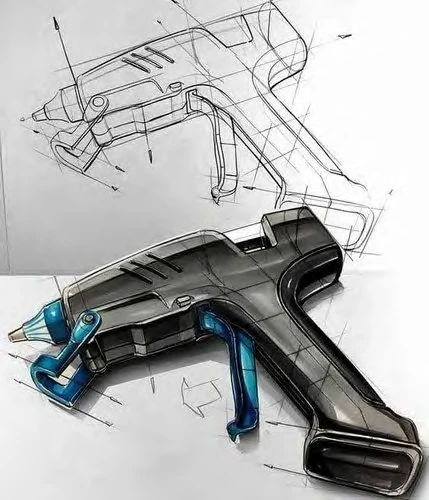
A sketch can compare alternatives quickly. A digital model can make geometry easier to examine. A physical model can reveal something about scale and handling. The most useful prototype is the one that addresses the current question clearly, without unnecessary detail.
03 / Perspective
Make feedback specific.
Before a review, decide what to examine and what remains outside the scope of that version. Ask people to respond to defined tasks or use scenarios. Record observations separately from proposed solutions so that feedback remains useful during refinement.
04 / Perspective
Let the findings shape the next iteration.
A prototype does not have to confirm the original concept. Finding a weakness early can guide a better direction. Use the review to decide what to preserve, what to change and what question the next version needs to answer.
Put it into practice
- Write the question before building the prototype.
- Match the fidelity to the decision you need to make.
- Use observations to guide a clear next iteration.